
Audits & planning
How to Lower Your Energy Bill: No-Cost, Low-Cost and Big Upgrades
Ways to lower your energy bill, ranked from free habit changes to low-cost fixes and big upgrades, with official savings figures and where to find help.
Topics
What does it cost to run a space heater, freezer, dehumidifier or any plug-in device? Enter its watts, how long you use it and your electricity rate to see kWh and dollars.
Updated · Free, private: nothing you type leaves your browser.
Your results
A 1,500-watt appliance used 4 hours a day for 120 days uses 720 kWh and costs about $130 a year.
Estimate only. Uses the assumptions explained below.
| Yearly cost by hours of use per day | |
|---|---|
| 1 h/day | $32 |
| 2 h/day | $65 |
| 4 h/day | $130 |
| 8 h/day | $259 |
| 12 h/day | $389 |
Save up to 3 scenarios (for example, with and without a rebate) and compare them side by side.
Electricity is billed in kilowatt-hours (kWh). An appliance’s power, in watts, times the hours it runs gives watt-hours; dividing by 1,000 gives kWh. Multiply by your price per kWh and you have the cost.
kWh per year       = watts × hours per day × days per year ÷ 1,000
Cost per year      = kWh per year × price per kWh
Average per month  = cost per year ÷ 12
Cost per day used  = cost per year ÷ days per year
Watts. Use the figure on the appliance’s label or nameplate, or a reading from a plug-in electricity meter. The calculator assumes the appliance draws that power the whole time it is “on.”
Days per year. This lets you price seasonal devices fairly. A space heater used only in winter, or a window air conditioner used in summer, should not be counted for 365 days.
Price. The default is $0.18 per kWh, based on EIA’s U.S. residential average of 18.31¢ per kWh for July 2026. DOE’s Energy Saver guide makes the same point: to estimate what an appliance costs to run, you need its wattage, your local utility rate and your yearly usage.
The default is a 1,500-watt appliance, such as a plug-in space heater on its high setting, used 4 hours a day for 120 days a year.
A 500-watt appliance, for example a dehumidifier in a damp basement (check your own model’s label), runs 12 hours a day for 150 days a year at the same $0.18 per kWh.
A device with a third of the wattage ends up costing more over the year because it runs longer and on more days. Hours of use matter as much as watts.
| What you change | Effect on cost |
|---|---|
| Halve the hours per day | Halves the cost |
| Halve the wattage (lower setting or more efficient model) | Halves the cost |
| Use it on fewer days | Cuts cost in proportion |
| Move to a cheaper time-of-use period | Lowers cost only if your plan has time-based rates |
The yearly cost is what the appliance adds to your electric bills if you use it as entered. The cost per day of use is handy for judging habits: is it worth running a space heater all evening, or a second freezer all year?
Compare the yearly figure with your total use. EIA reports that the average U.S. residential customer bought about 10,791 kWh in 2022. If one device is a large slice of that, it is worth a closer look. For devices that draw power even when they look off, use the phantom load calculator. For lighting, the LED savings calculator compares old and new bulbs. And to check your whole monthly bill, including fixed charges and tiers, try the electric bill calculator.
Your rate plan. Many utilities charge a flat rate, but some use tiers, where kWh above a monthly threshold cost more, or time-of-use rates, where prices change by hour. Under a tiered plan, an extra appliance is billed at your top tier. Under time-of-use, running it off-peak can cut its cost.
Delivery charges and taxes. The “energy rate” on your bill is not always the whole story. Divide your total bill, minus fixed monthly charges, by the kWh you used to get a truer price.
Heating with plug-in heaters. A space heater can make sense for warming one room while the rest of the house is set back. Heating a whole house with plug-in heaters is usually expensive, because electric resistance heat costs far more per unit of heat than most alternatives. Our guide on how to lower your energy bill and the home energy audit guide cover better long-term fixes.
Rebates and help. When you replace an old appliance, many utilities offer rebates on ENERGY STAR models. The ENERGY STAR rebate finder lists offers by ZIP code. If your electric bills are hard to keep up with, see our guide to help paying energy bills.
The tool assumes a constant power draw while the appliance is on. It does not model cycling, different power settings, standby use when “off,” tiered or time-of-use rates, or fixed monthly charges. Real costs can differ. This is an educational estimate, not advice.
Multiply the appliance's watts by the hours it runs, divide by 1,000 to get kilowatt-hours (kWh), then multiply by your price per kWh. For example, the default here is a 1,500-watt appliance running 4 hours a day for 120 days, which uses 720 kWh. At 18 cents per kWh that is about $130 a year, or $1.08 for each day you use it.
Many plug-in space heaters are rated about 1,500 watts on high. At 18 cents per kWh, running one at full power costs about $1.08 for a 4-hour evening, based on this calculator's default. Over a 120-day winter of 4-hour evenings, that is about $130. Space heaters cycle on and off once a room is warm, so actual use may be lower; a plug-in meter tells you for sure.
Look for a label or nameplate on the back or bottom of the appliance, or in the manual. It may show watts directly, or volts and amps; multiply volts by amps for a maximum wattage. For appliances that cycle, like refrigerators, the yellow EnergyGuide label lists estimated kWh per year, which is more accurate than watts times hours. A plug-in electricity meter measures real use.
A kilowatt-hour (kWh) is the unit your utility bills you in. It equals 1,000 watts used for one hour. A 100-watt device running for 10 hours uses 1 kWh, and so does a 1,000-watt device running for 1 hour. EIA reports that the average U.S. residential customer bought about 10,791 kWh in 2022, or about 899 kWh a month.
Several reasons. Many appliances do not draw their full rated watts all the time: refrigerators, heaters, air conditioners and dehumidifiers cycle on and off, and electronics vary with use. Your bill's true price per kWh may also be higher than the energy rate once delivery charges, fixed fees and taxes are spread in. Measuring with a plug-in meter for a week gives the best answer.
Use the all-in price from your bill: total charges for electricity, minus any fixed monthly fee, divided by the kWh used. The default, 18 cents, is close to the U.S. residential average of 18.31 cents per kWh for July 2026 reported by EIA. Rates vary a lot by state and utility, and some plans charge more at certain hours or above a monthly threshold.
This calculator gives educational estimates, not quotes, tax advice or an eligibility decision. Results depend on the inputs and assumptions shown above. How we research
Ways to lower your energy bill, ranked from free habit changes to low-cost fixes and big upgrades, with official savings figures and where to find help.
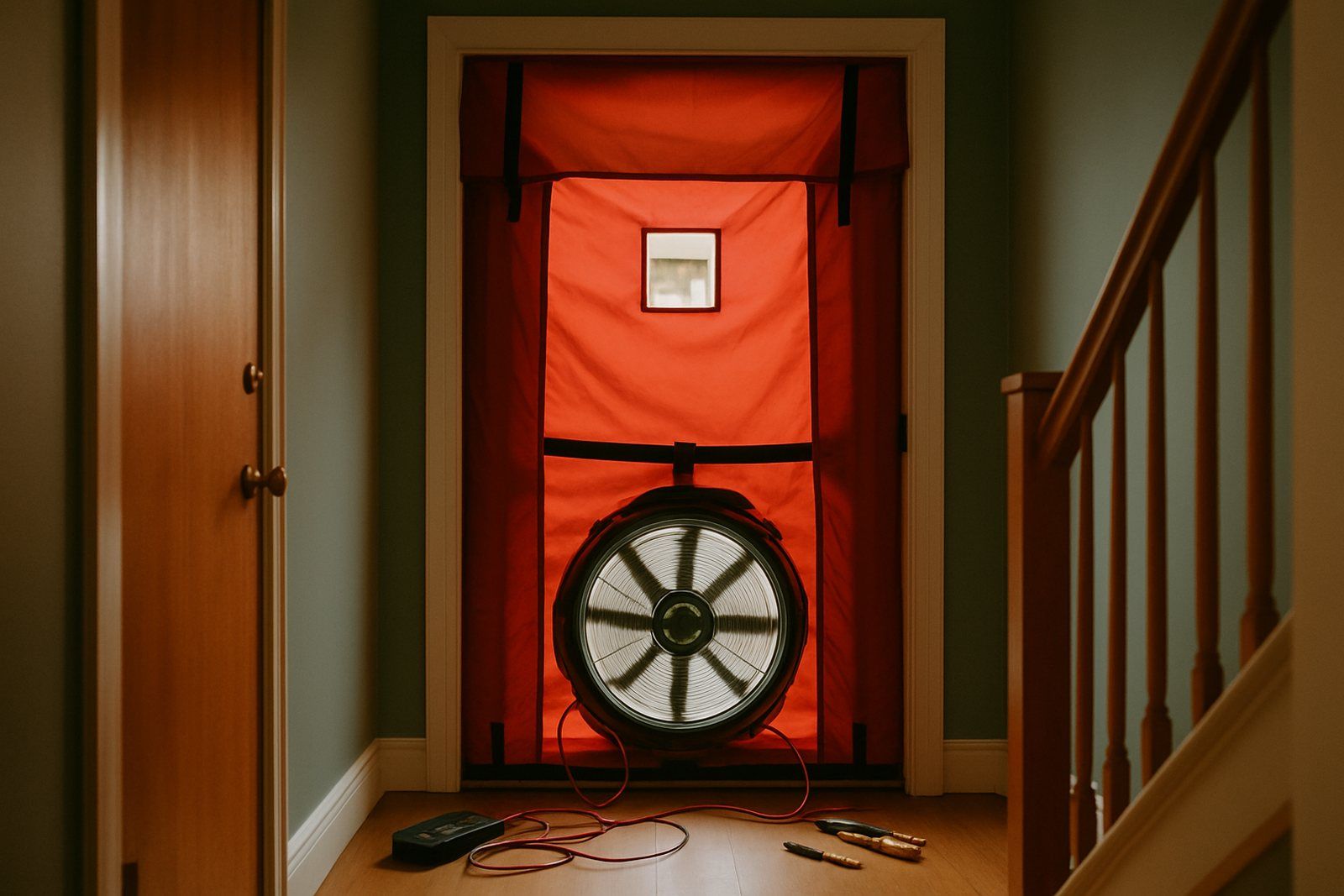
What a home energy audit includes, what it costs, how to find a BPI or RESNET certified pro, free utility audits, and a DIY checklist you can do today.