Insulation & air sealing
Air Sealing Your Home: Find Leaks, Seal Them and Stay Safe
Where homes leak air, how to find leaks, what a blower door test shows, DIY caulk and weatherstripping, attic bypasses, and combustion safety.
Topics
Short answer
Most US homes need attic insulation between R-30 and R-60, depending on climate zone. ENERGY STAR recommends R-60 for uninsulated attics in zones 4 through 8 and R-49 in zones 2 and 3. If your insulation is level with or below the joists, you likely need more. Seal air leaks first, then add insulation.
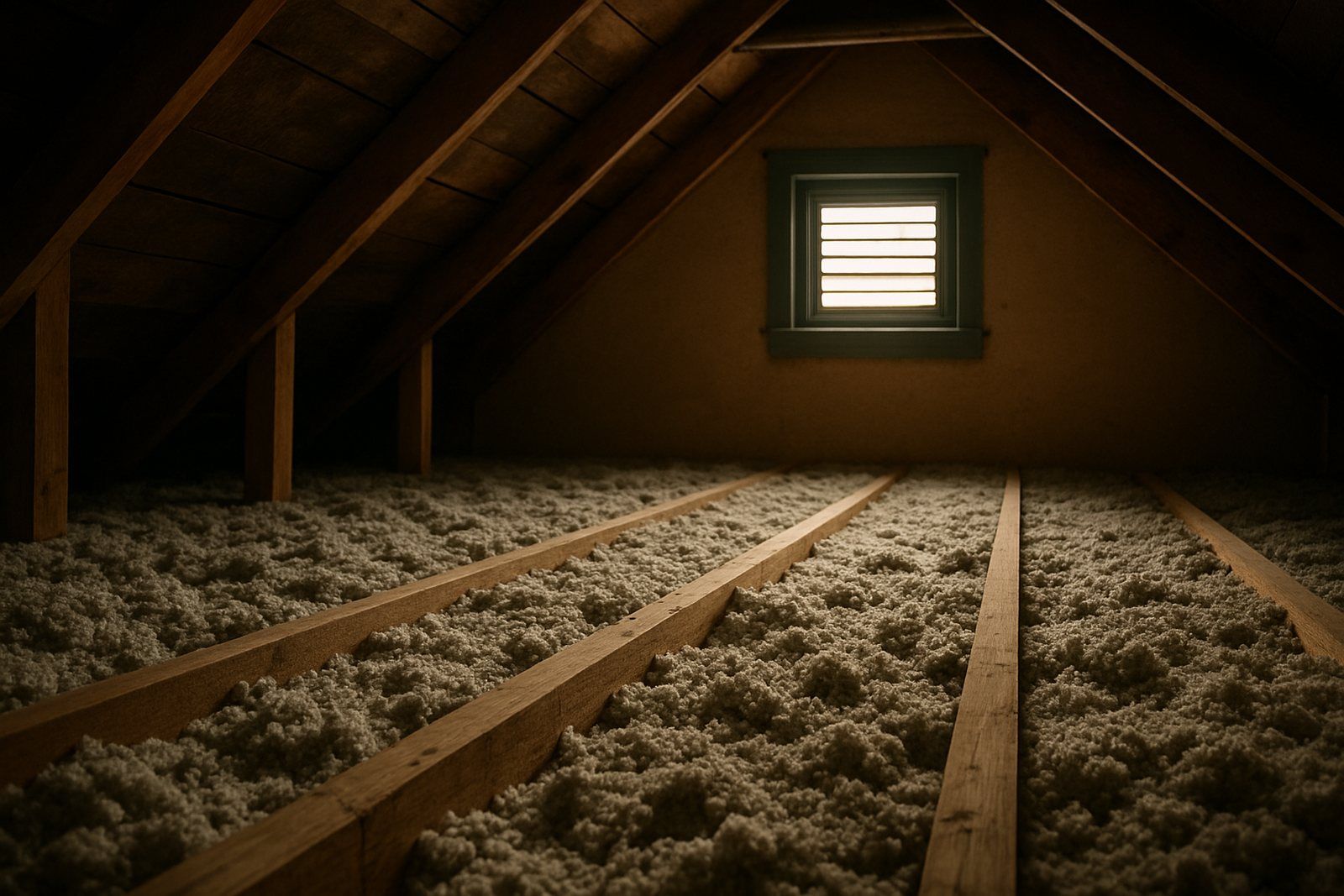
Attic insulation is one of the most practical upgrades most homeowners can make. Heat rises, and in many houses the attic floor is the biggest, easiest-to-reach surface where heat escapes in winter and pours in during summer. This guide explains how much attic insulation you need for your climate, how to check what you already have, which materials work, and why sealing air leaks comes first.
The attic is usually the best place to start because it has the most savings potential and is typically easy to reach. ENERGY STAR rates the attic 4 out of 5 for savings opportunity, ahead of basements, ducts, and windows and walls. Combined with air sealing, insulating can cut heating and cooling costs noticeably.
The U.S. Environmental Protection Agency (EPA), which runs ENERGY STAR, estimates that homeowners save an average of 15% on heating and cooling costs, or 11% of total energy costs, by sealing air leaks and adding insulation in attics, floors over crawl spaces and basements (ENERGY STAR, accessed October 2026). The agency also says about 9 out of 10 US homes are under-insulated.
Savings vary a lot by climate. In EPA’s modeling, total-house savings ranged from about 5% in the warmest zone (Climate Zone 1) to about 16% in the coldest (Climate Zone 8). The model house was a typical home built between 1970 and 1989, about 1,700 sq ft, with a 25% cut in air leakage and insulation brought up to 2012 code levels.
Source: ENERGY STAR (EPA), Methodology for Estimated Energy Savings from Cost-Effective Air Sealing and Insulating (as of October 2026).
| Climate | Share of total energy costs saved |
|---|---|
| Zone 1 (warmest) | 5% |
| US average | 11% |
| Zone 8 (coldest) | 16% |
Most US homes need between R-30 and R-60 in the attic. ENERGY STAR sets its recommendation by climate zone, using the same zone map as the International Energy Conservation Code (IECC). Warmer southern zones need less, and colder northern zones need the most. Homes that already have 3 to 4 inches can top up to a slightly lower target.
Here are the ENERGY STAR recommendations (accessed October 2026):
| Climate zone | Attic with no insulation | Attic with 3–4 inches already | Floor over unheated space |
|---|---|---|---|
| 1 | R-30 | R-25 | R-13 |
| 2 | R-49 | R-38 | R-13 |
| 3 | R-49 | R-38 | R-19 |
| 4A and 4B | R-60 | R-49 | R-19 |
| 4C, 5 and 6 | R-60 | R-49 | R-30 |
| 7 and 8 | R-60 | R-49 | R-38 |
Zone 1 is the hottest part of the country, such as southern Florida and Hawaii. Zones 7 and 8 include the far north and most of Alaska. Your exact zone is set by county, so use the map on the ENERGY STAR R-value page rather than guessing from your state.
Source: ENERGY STAR, Recommended Home Insulation R-Values (as of October 2026).
| Climate zone | Recommended attic R-value |
|---|---|
| Zone 1 | 30 |
| Zone 2 | 49 |
| Zone 3 | 49 |
| Zones 4A and 4B | 60 |
| Zones 4C, 5 and 6 | 60 |
| Zones 7 and 8 | 60 |
Many homes built before the 1980s were insulated to much lower levels than today’s recommendations. Insulation also settles, gets compressed when people store boxes or walk in the attic, and gets pushed aside during wiring or roof work. So even a house that was “fully insulated” when new can fall well short now.
Look at the attic floor and compare the insulation with the tops of the joists. ENERGY STAR says that if the insulation is level with or below the joists, you probably need more. If you cannot see the joists and the layer is even, you may have enough, and adding more may not pay off.
Here is a simple, safe way to check:
If you plan a professional home energy audit, the auditor will measure this for you and usually checks for air leaks with a blower door at the same time.
For an open attic floor, blown-in loose-fill and batts are the most common choices, and both work when installed properly. Loose-fill covers gaps around wires and odd joist spacing well. Batts are easiest for do-it-yourselfers. Spray foam is mainly used on roof decks and for sealing, and needs a certified installer.
ENERGY STAR’s DIY inspection page gives rough per-inch factors you can use to estimate depth. We used those factors to work out the approximate inches needed. Treat these as estimates: the coverage chart on the bag shows the manufacturer’s required minimum thickness.
| Material | Rough R per inch (ENERGY STAR estimate) | Approx. inches for R-38 | Approx. inches for R-49 | Approx. inches for R-60 |
|---|---|---|---|---|
| Loose-fill cellulose | 3.7 | 10–11 | 13–14 | 16–17 |
| Fiberglass batts | 3.2 | 12 | 15–16 | 19 |
| Loose rock wool | 2.8 | 14 | 17–18 | 21–22 |
| Loose-fill fiberglass | 2.5 | 15–16 | 20 | 24 |
Source: Calculated from ENERGY STAR rough R-per-inch estimates (60 ÷ R per inch) (as of October 2026).
| Material | Approximate inches for R-60 |
|---|---|
| Loose-fill cellulose (R-3.7/in) | 16.2 in |
| Fiberglass batts (R-3.2/in) | 18.8 in |
| Loose rock wool (R-2.8/in) | 21.4 in |
| Loose-fill fiberglass (R-2.5/in) | 24 in |
Loose-fill is made from cellulose (recycled paper fibers treated for fire resistance), fiberglass or mineral wool. It is blown in with a machine, so it flows around obstacles and fills irregular spaces. ENERGY STAR notes that some stores rent blowing machines, but it suggests hiring a professional for loose-fill. Blown insulation needs to reach an even depth with no low spots.
Blanket insulation comes in batts or rolls of fiberglass, mineral wool, or plastic or natural fibers. It is the easiest material for a do-it-yourself attic job. When adding a second layer over existing batts, ENERGY STAR says to lay it perpendicular to the first so it covers the tops of the joists. Use unfaced batts (no paper or foil) when you add over existing insulation.
Spray foam both insulates and seals air leaks. It is often sprayed on the underside of the roof deck to create an “unvented” attic, which can make sense when ducts or a furnace sit in the attic. ENERGY STAR lists sprayed foam as an advanced job that needs a certified installer. It usually costs more per R-value than loose-fill, so get a professional opinion before choosing it for a simple attic floor.
When you shop, look for products that carry the ENERGY STAR mark. ENERGY STAR certified insulation must also meet flame resistance requirements.
Insulation slows heat moving through a surface, but it does not stop air flowing through gaps. ENERGY STAR’s advice is direct: always do attic air sealing before adding insulation. Once a thick new layer is down, the leaks underneath are buried and much harder and costlier to reach.
Warm indoor air sneaks into the attic through holes around plumbing vent pipes, wiring, chimneys and flues, recessed lights, dropped soffits over kitchen cabinets, and the attic hatch itself. That air carries heat and moisture. Moisture in a cold attic can cause frost, mold and rot, and heat escaping through the ceiling can contribute to ice dams on the roof.
Our step-by-step air sealing guide covers how to find and seal these attic bypasses. In short:
Many handy homeowners can add batts or rolls to an easy-to-reach attic. ENERGY STAR estimates a DIY attic project takes 1 to 3 days, while a contractor typically finishes in 1 to 2 days. Hire a professional if the attic is cramped, has safety hazards, or needs loose-fill blown to a high R-value.
ENERGY STAR recommends calling a professional if you find any of these:
Prices vary by region, attic size, access, material and how much air sealing is needed, so there is no single national price we can verify from an official source. ENERGY STAR estimates basic DIY air sealing materials cost under $100. For professional insulation, get at least three written quotes and compare them line by line.
Source: Worked example, Home Energy Guide Hub insulation savings calculator; gas price from EIA (as of October 2026).
Costs tend to rise when:
Ask each contractor to put these items in writing:
There is no federal tax credit for attic insulation installed in 2026. The Energy Efficient Home Improvement Credit (Section 25C) does not apply to property placed in service after December 31, 2025, under Public Law 119-21. Some states and utilities still offer rebates, and low-income households may get free weatherization.
If you insulated in 2025, insulation and air sealing materials may still count toward the 25C credit on your 2025 tax return (Form 5695): 30% of qualifying costs, within the $1,200 annual general limit. Confirm with the IRS credit page or a tax professional. Our 2026 energy tax credit explainer walks through the dates.
For work done now, the main options are:
Rebate rules change, and some state programs have paused or run out of funds. Check your state energy office page before you sign a contract, because many programs require pre-approval or a participating contractor.
Check your attic first: if the insulation is level with or below the joists, you likely need more. Aim for the ENERGY STAR target for your climate zone, which is R-49 or R-60 for most of the country. Seal air leaks before adding insulation, respect the safety rules around lights, flues and vermiculite, and get at least three written quotes. Insulating the attic is one of the best-value upgrades in most homes, so it is worth doing right.
Look across the attic floor with a flashlight. If the insulation is level with or below the tops of the ceiling joists, you probably need more. If you cannot see the joists at all and the layer is even, you may already have enough. Measure the depth in a few spots with a ruler, avoiding low spots near the hatch and eaves. Then compare the estimated R-value with the ENERGY STAR recommendation for your climate zone.
Usually yes. ENERGY STAR says you do not have to match the existing type, so loose-fill can go over batts and batts over loose-fill. If you add batts over loose-fill, use unfaced batts with no paper or foil backing. Do not add insulation over wet, moldy or vermiculite insulation. Fix the moisture or have the vermiculite assessed by a professional before you add anything.
Both work when installed well. Blown-in loose-fill fills around wires, pipes and odd joist spacing, which helps avoid gaps. Batts and rolls are easier for a do-it-yourself job and need no machine. What matters most is reaching the recommended R-value with an even layer and no compressed spots, after the air leaks below have been sealed. Ask your installer which they recommend for your attic.
It depends on the material. Using the rough per-inch factors on the ENERGY STAR DIY checks page, R-60 takes about 16 inches of loose cellulose, about 19 inches of fiberglass batts, or about 24 inches of loose fiberglass. These are estimates. The coverage chart on the bag lists the minimum thickness the manufacturer says you need for each R-value, so check it before you buy.
For a typical vented attic with no ducts or equipment in it, insulating the attic floor is the usual and simplest choice. Insulating the underside of the roof deck, often with spray foam, makes the attic part of the conditioned space. That can make sense when ducts or a furnace sit in the attic, but it is more complex and costly. Ask an energy auditor which approach fits your house.
Yes, unless the fixture is rated IC, which means it is designed for insulation contact. ENERGY STAR says to keep insulation at least 3 inches from non-IC recessed lights and to use a sheet metal or wire mesh barrier. Many older can lights also leak air into the attic, so an electrician can replace them with sealed, IC-rated fixtures. Do this before the new insulation goes down.
Yes. Insulation slows heat flow in both directions. In winter it keeps heat in the living space. In summer it slows heat moving from a hot attic down into your rooms, which can reduce air conditioning run time. EPA's modeling found savings in every climate zone, though savings are larger in colder northern zones. Air sealing the attic floor helps in both seasons too.
Possibly, but not from a federal tax credit. The 25C credit ended for property placed in service after December 31, 2025. Some states run federal Home Energy Rebates programs that cover insulation and air sealing, and many utilities offer their own rebates. Low-income households may qualify for free weatherization. Check your state energy office and utility, and confirm tax questions with a tax professional.
Insulation can work for decades if it stays dry and undisturbed. Loose-fill can settle a little over time, and roof leaks, pests or foot traffic can compress or damage it. Check the attic every few years, after major roof work, and any time you notice water stains on ceilings. Wet insulation loses much of its value and should be replaced once the leak is fixed.
Where homes leak air, how to find leaks, what a blower door test shows, DIY caulk and weatherstripping, attic bypasses, and combustion safety.
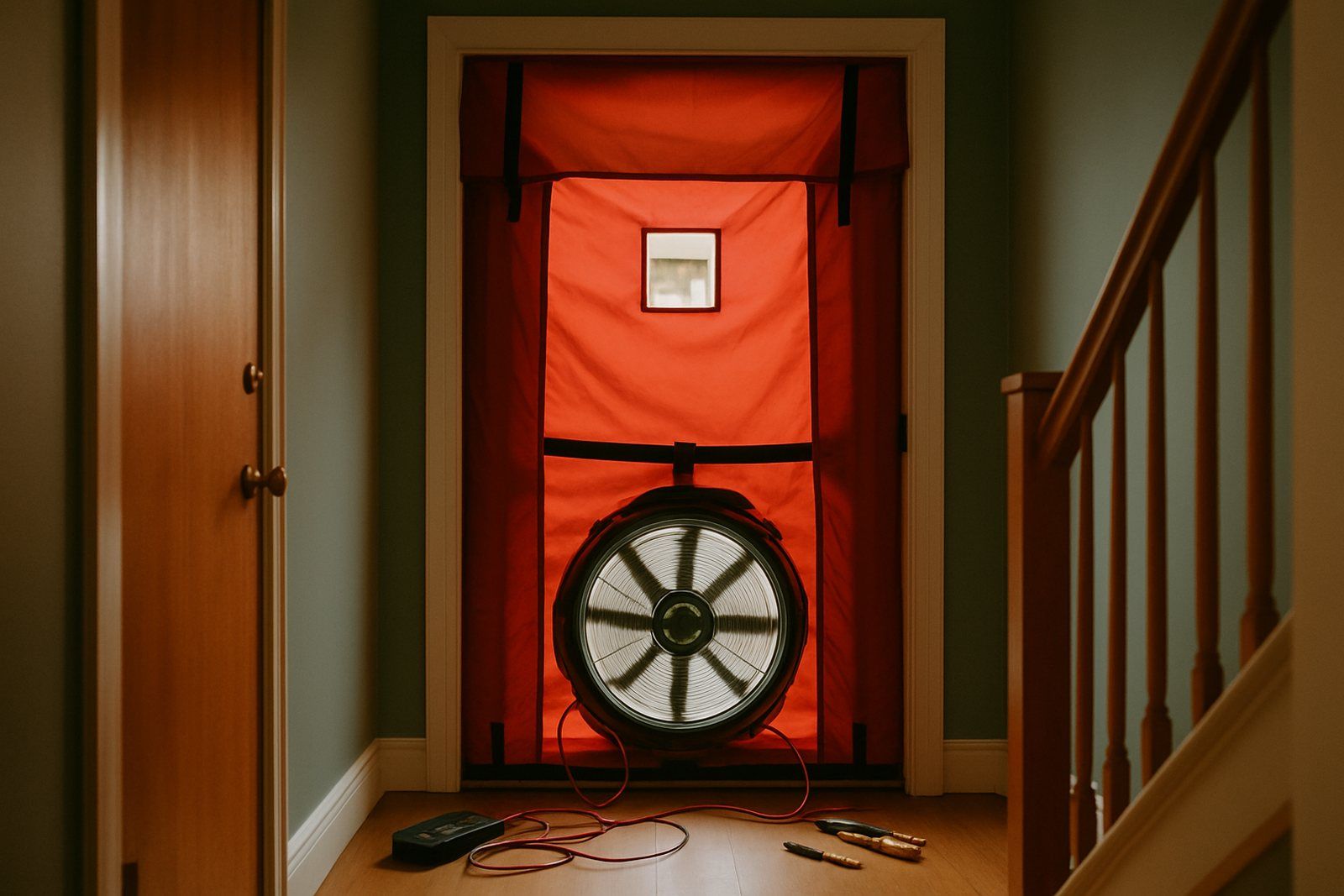
What a home energy audit includes, what it costs, how to find a BPI or RESNET certified pro, free utility audits, and a DIY checklist you can do today.

How to read U-factor and SHGC on the NFRC label, ENERGY STAR window zones, honest payback math, low-e storm windows, and energy-efficient doors.